Energy Storage Blog

Subscribe to our Newsletter for Article, Industry, and Company Updates

Addressing Community Concerns Around Battery Energy Storage Systems
Safety

Addressing Community Concerns Around Battery Energy Storage Systems

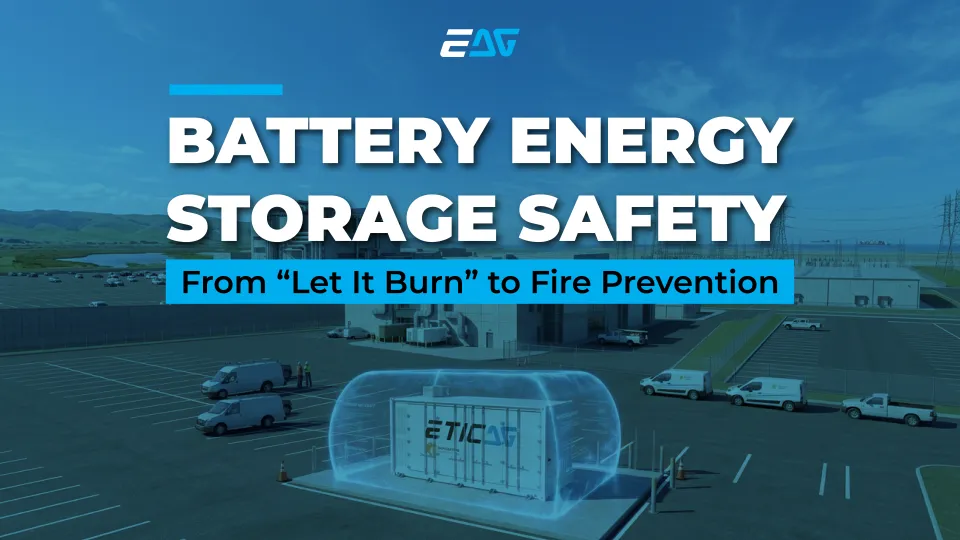
As Battery Energy Storage Systems move into neighborhoods, campuses, and commercial districts, communities are asking hard questions about fire risk, toxic gases, noise, and long-term safety. This article explains how modern BESS design, including immersion cooling and gas neutralization, addresses those concerns through engineered prevention.

Synthetic Ester Dielectric Fluid
Safety

Synthetic Ester Dielectric Fluids for BESS Immersion Cooling  

As battery energy storage systems scale closer to people and infrastructure, safety and longevity are no longer optional. Immersion cooling addresses fire risk, thermal runaway, and degradation at the cell level. Synthetic ester immersion fluids, engineered for high fire-point behavior and long-term stability, enable safer siting and predictable performance across decades of operation worldwide today.

UL 1973 Certification for Battery Energy Storage System
Safety

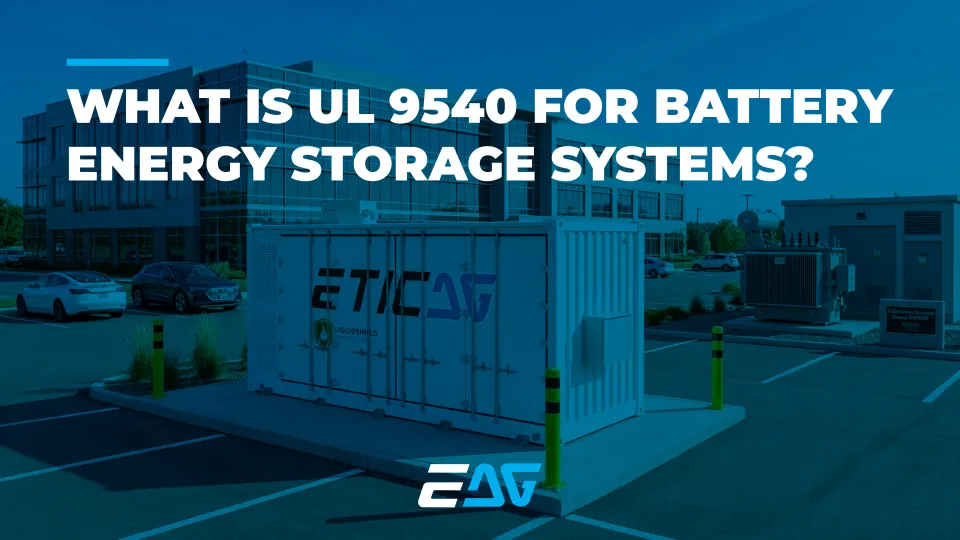
UL 1973 Certification: What It Means for Battery Energy Storage Systems

UL 1973 is the gold standard for battery safety in energy storage. For developers and C&I customers, certification ensures regulatory approval, market access, and system reliability. EticaAG’s immersion cooled lithium ion battery racks are now UL 1973:2022 certified, delivering unmatched protection against thermal runaway and fire propagation.

Fire-Safe Battery Storage for California’s Clean Energy Future
Safety

Fire-Safe Battery Storage for California’s Clean Energy Future 

California faces wildfires, power shutoffs, and a fragile grid. Communities want clean energy but worry about fire and toxic risks from battery storage. EticaAG’s LiquidShield and HazGuard technologies offer a safer path forward, protecting people while helping the state reach its renewable energy goals.

Image of firefighter extinguishing BESS fire. "How to Extinguish BESS Fires" blog
Safety

How to Extinguish BESS Fires (and Why Suppression Often Comes First) 

BESS fires are complex, dangerous, and often self-sustaining. This blog explains the difference between suppression and extinguishment, outlines real-world fire challenges, and shows how EticaAG’s immersion cooling technology prevents ignition with a safer and smarter approach to battery energy storage system design and fire response.

Featured image for toxic gas from lithium batteries blog.
Safety

Toxic Gas in Lithium-Ion Battery Fires: Risks and Solutions

When lithium-ion batteries enter thermal runaway, the danger isn’t just fire; it’s toxic gas. These emissions can harm people, delay projects, and block permits. This article explains the health and regulatory risks of battery gas release, and how EticaAG’s HazGuard system neutralizes those emissions before they become a threat to air quality or project success.

Cybersecurity for Battery Energy Storage
Safety

Cybersecurity in Battery Energy Storage: 7 Layers of Protection 

Cybersecurity is no longer optional for battery energy storage systems. As BESS become integral to grid operations, they also become high-value cyber targets. This article explores key industry threats and outlines how EticaAG defends its systems with a seven-layer architecture—protecting everything from physical access to cloud APIs for resilient, secure energy storage.

Featured Image of New York City where residents are demanding safe battery energy storage for clean energy mandates
Safety

Can New York Embrace Clean Energy & Battery Storage Without Fire Risk?

New York communities are calling for safer battery storage as energy projects expand statewide. This article explores the public’s concerns, explains why traditional systems fall short, and introduces EticaAG’s proven fire-prevention technology. Learn how New York can meet its clean energy goals without compromising safety, trust, or environmental responsibility. Fire risk isn’t inevitable—there’s a solution.