
Energy Storage Blog

Subscribe to our Newsletter for Article, Industry, and Company Updates

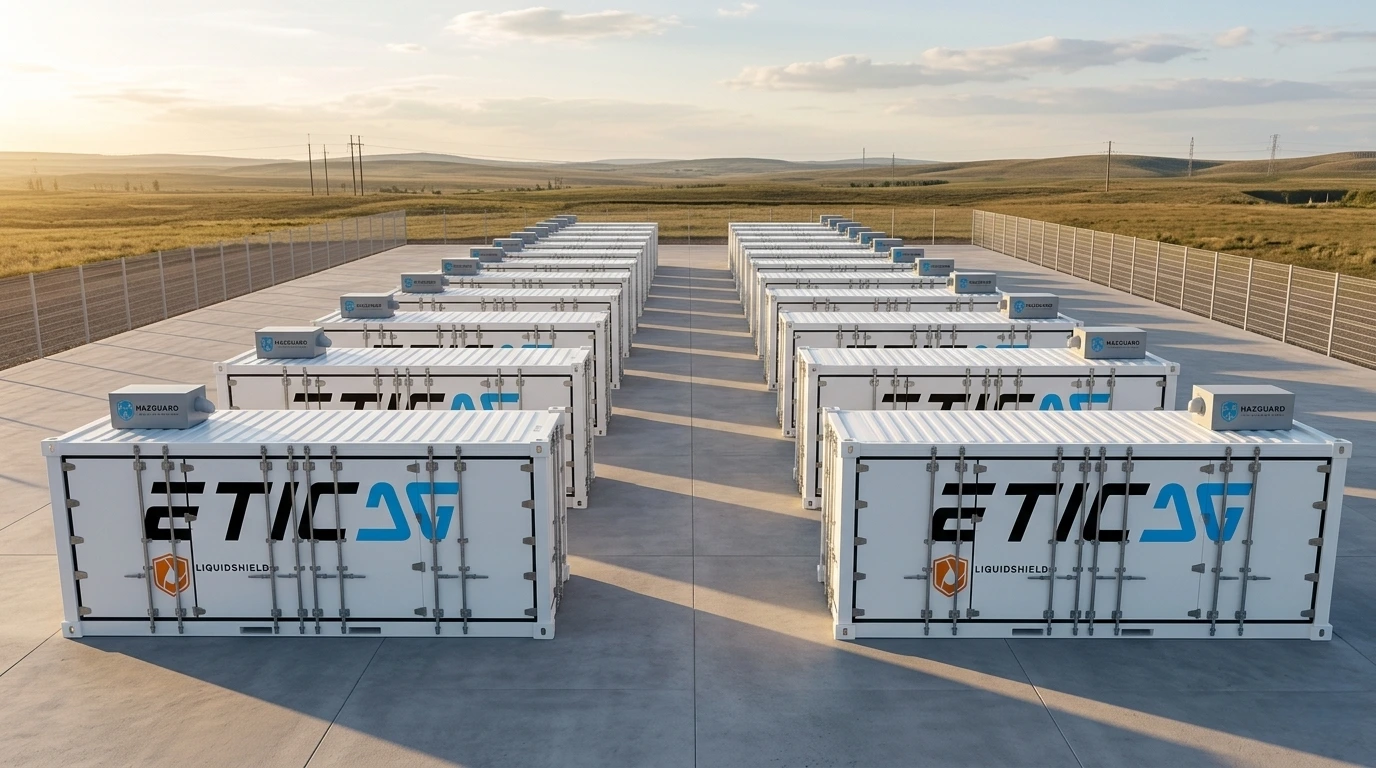
Row of immersion cooled battery energy storage systems that degrade slower than liquid plate
Energy Storage

Immersion Cooling Slows Degradation, Extends Battery Life, and Protects BESS ROI

Thermal management determines how long a BESS lasts, how safely it operates, and whether it meets financial expectations. Uneven heat drives degradation, early augmentation, and performance shortfalls. Immersion cooling eliminates thermal gradients, extends battery life, prevents ignition, and protects ROI by maintaining consistent performance across the system lifecycle.

Batteries in a Battery Energy Storage System with the Title "The Best Battery for Energy Storage"
Safety

Battery Chemistries for Energy Storage Systems: Safety and Performance Guide

Battery chemistry plays a vital role in the safety of Battery Energy Storage Systems (BESS). While lithium-ion batteries offer high energy density and efficiency, they also pose fire risks due to thermal runaway. Alternative chemistries and advanced cooling solutions, such as immersion cooling, can enhance safety and reliability for large-scale energy storage applications.

When compared to liquid cooling, immersion cooling extends battery life by 20% and up to a 5 year difference in state of health
Energy Storage

Enhancing Battery Energy Storage Life by 20% Through Immersion Cooling 

Battery degradation is inevitable, but its pace depends on factors like temperature. High heat accelerates decline, while cold hinders performance. Enter immersion cooling—a cutting-edge solution maintaining optimal conditions for energy storage systems. By stabilizing temperatures, it extends battery lifespan, boosts efficiency, and enhances safety, paving the way for more reliable and sustainable energy solutions.