

Energy Storage Blog
Subscribe to our Newsletter for Article, Industry, and Company Updates
This site is protected by reCAPTCHA and the Google Privacy Policy and Terms of Service apply.
Featured Articles
Categories

Battery storage energy arbitrage earns value by charging when electricity is inexpensive and discharging when prices rise. Profitability depends on the full operating model, including efficiency, degradation, forecasting, system availability, market rules, and thermal performance.

The solar ITC safe harbor deadline changed the economics for many solar projects, but it did not end the business case for clean energy investment. Battery storage may still qualify for federal tax credit support, while solar + storage can preserve project value through demand management, load shifting, resilience, and safer long-term performance.

Quincy Township's utility-scale battery storage ordinance may become one of Michigan's most important PA 233 case studies. The township's move reflects a growing shift toward permanent zoning restrictions, local control preservation, and increased scrutiny of battery storage safety and emergency response planning.

Hospitals need energy storage that does more than lower utility bills. BESS can reduce demand charges, support resilience, improve onsite solar economics, strengthen microgrid performance, and give facilities teams more control over campus energy use. For healthcare environments, those benefits only work when the system also meets a higher standard for fire-safe deployment.
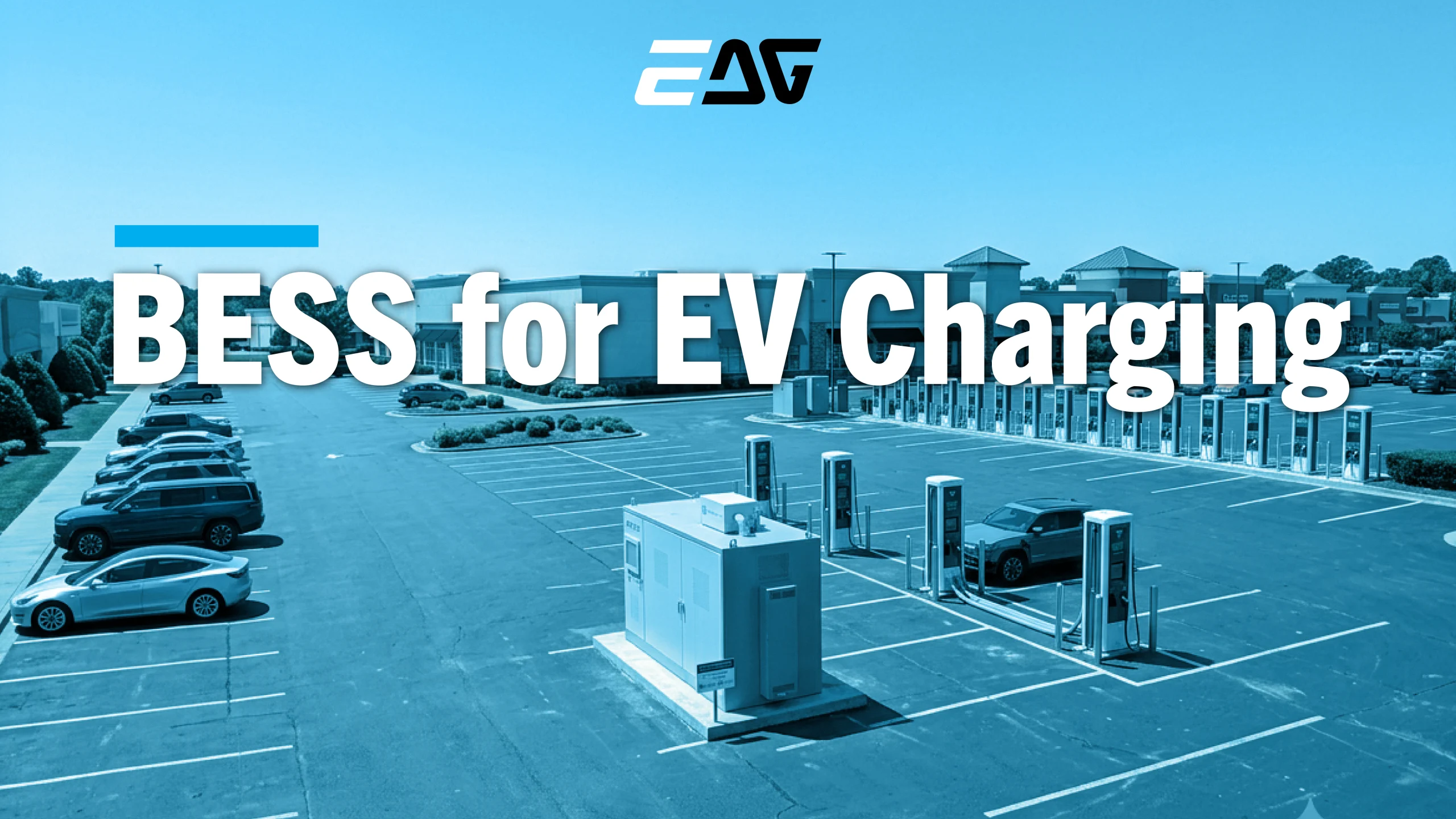
EV charging sites need more than charger hardware. Properly sized BESS can reduce grid constraints, lower demand-charge exposure, improve charging availability, and address the safety risks that affect siting, permitting, and insurance review. This guide explains how battery-buffered charging works, where it creates the strongest value, and what buyers should evaluate before deployment.
TM-2 is the FDNY application form used to request a Certificate of Approval for battery energy storage systems in New York City. This guide explains how TM-2, COA, TM-1, DOB review, UL testing, installation categories, and site approvals fit together, and why documented product safety affects NYC BESS deployment.

K3-class dielectric fluids carry the highest fire-safety classification under IEC 61100, with a minimum fire point of 300°C. In battery energy storage systems, these high fire-point fluids support safer immersion cooling by resisting sustained combustion, reducing propagation risk, and improving the safety case for permitting, insurance, and deployment.
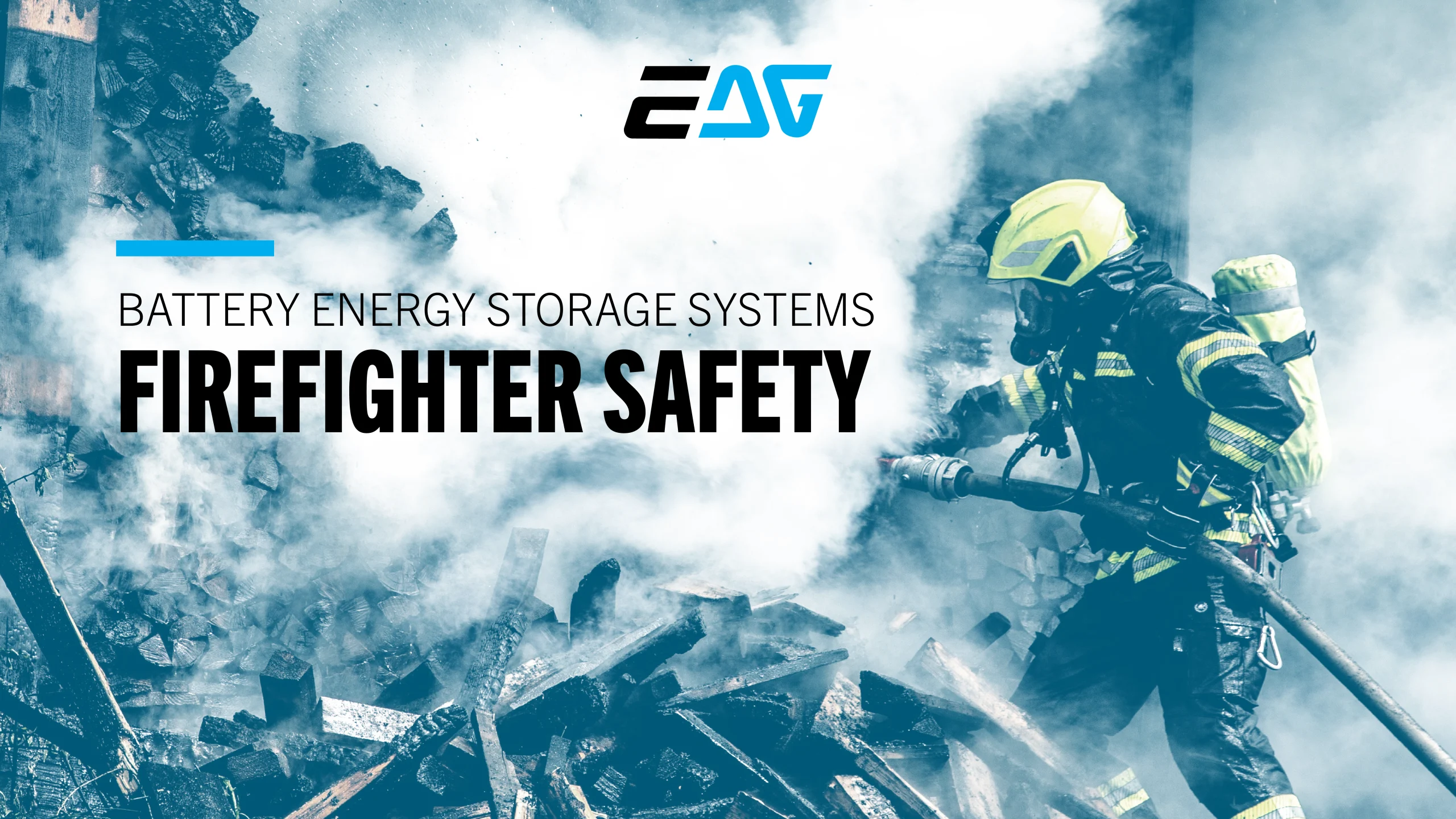
Battery Energy Storage System incidents present unique hazards that require a disciplined, defensive response. Learn how firefighters can prepare for thermal runaway, toxic off-gassing, stranded energy, and re-ignition risks through pre-incident planning, gas monitoring, operator coordination, and no-overhaul response strategies.

Indoor lithium-ion battery systems create unique fire, thermal runaway, and gas management challenges inside occupied structures. This blog explains how modern indoor BESS installations use ventilation design, propagation prevention, thermal management, and immersion cooling architectures to improve deployment safety.

BABA and Buy American requirements are reshaping how battery energy storage systems are sourced, documented, and procured. This guide explains how domestic content rules apply to BESS projects, why battery cells drive compliance calculations, how FAR thresholds work, and what buyers should review before procurement to reduce funding and audit risk.

Compare Energy Storage-as-a-Service and battery ownership to understand how each model affects CapEx, maintenance, optimization, shared savings, lifecycle risk, and long-term performance. Learn when ESaaS, direct ownership, or a hybrid BESS model makes the most sense for commercial and industrial sites.

Extreme heat and cold expose the limits of conventional BESS thermal systems. Immersion cooling stabilizes cell temperatures, improves performance in harsh environments, extends battery life, and prevents fire propagation through thermal management and ignition prevention.
You've reached the end :)