Energy Storage Blog

Subscribe to our Newsletter for Article, Industry, and Company Updates

This site is protected by reCAPTCHA and the Google Privacy Policy and Terms of Service apply.

EticaAG BESS container in extreme cold weather conditions at a commercial facility.
Energy Storage

BESS Thermal Management in Hot, Cold, and Extreme Climates

Extreme heat and cold expose the limits of conventional BESS thermal systems. Immersion cooling stabilizes cell temperatures, improves performance in harsh environments, extends battery life, and prevents fire propagation through thermal management and ignition prevention.

Participating in demand response programs with battery energy storage system (BESS) installation
Energy Storage

Participating in Demand Response Programs with Battery Storage

Battery energy storage is reshaping how sites participate in demand response. Instead of curtailing operations, batteries can reduce load and respond to grid events while maintaining normal operations. It covers participation models, value stacking, system requirements, and how to evaluate site fit.

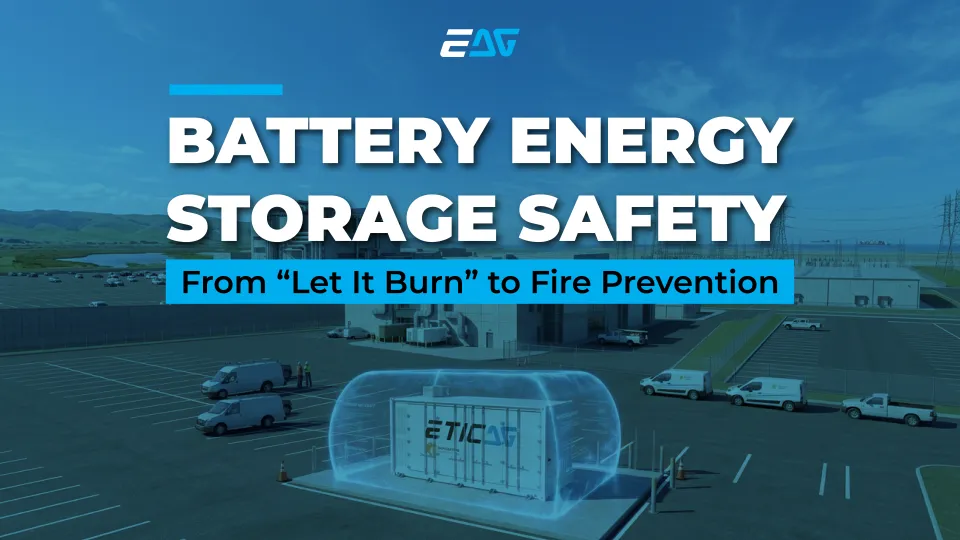
Battery energy storage facility with EticaAG container protected by a transparent safety dome, titled “Battery Energy Storage Safety: From ‘Let It Burn’ to Fire Prevention.”
Safety

Battery Energy Storage Safety: From “Let It Burn” to Fire Prevention

Battery storage is moving closer to communities, yet safety strategies still rely on a “let it burn” approach. That model accepts failure instead of stopping it. Prevention-first technologies like immersion cooling and gas neutralization stop thermal runaway propagation and eliminate toxic emissions, redefining what safe, community-ready BESS looks like.

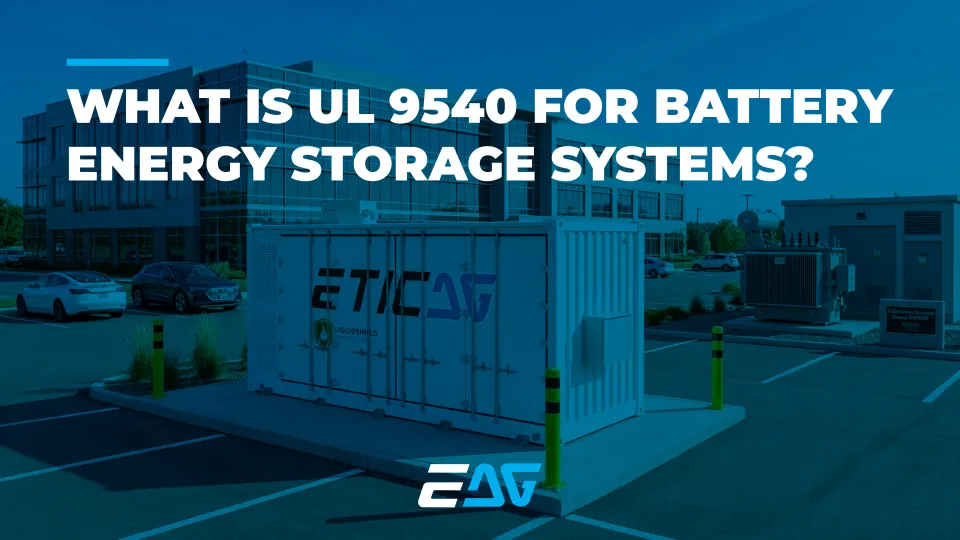
UL 9540 battery energy storage system installed outside a commercial building in a parking area, featuring an EticaAG containerized unit with LiquidShield technology.
Regulations

What Is UL 9540 for Battery Energy Storage Systems?

UL 9540 certification determines whether a battery energy storage system can be safely deployed by evaluating the entire system, not just individual components. It integrates fire testing, battery safety testing, and system-level performance to assess real-world risk, compliance, and how systems behave under both normal and failure conditions.

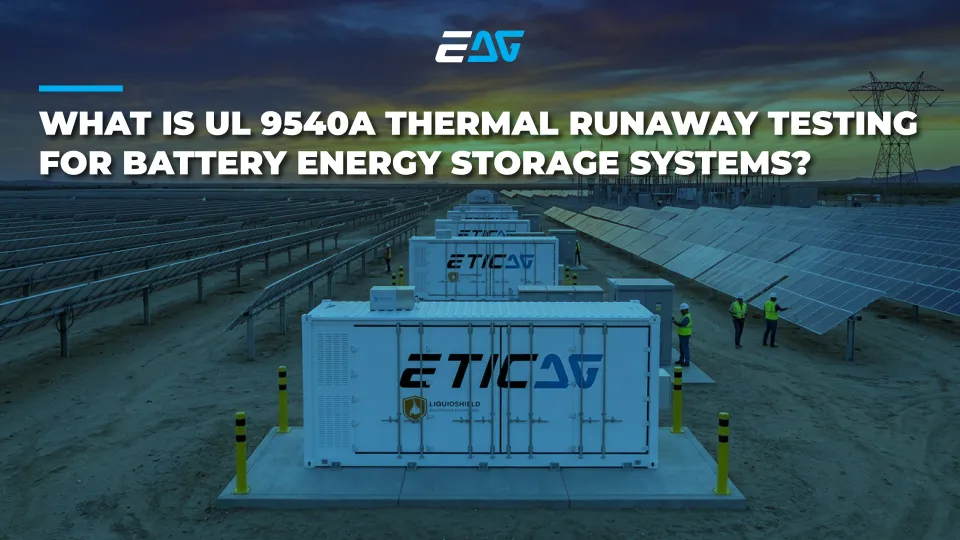
UL 9540A thermal runaway testing for battery energy storage systems with EticaAG BESS installation
Regulations

What is UL 9540A Thermal Runaway Testing for Battery Energy Storage Systems?

UL 9540A defines how battery energy storage systems are evaluated during thermal runaway events, providing the data that drives safety, design, and permitting decisions. This guide explains how the test works, why it matters, and what the latest 2026 updates mean for modern BESS deployments.

Orange County coastline featuring the headline “Orange County’s BESS Ordinance Sets New Rules for Safe Energy Storage Development”
Restrictions

Orange County’s BESS Ordinance Sets New Rules for Safe Energy Storage Development

Orange County’s new BESS ordinance replaces a temporary moratorium with strict safety, siting, and permitting requirements. Developers must now navigate tighter setbacks, wildfire restrictions, and fire authority oversight while addressing growing concerns around thermal runaway, fire propagation, and toxic gas risks in energy storage systems.

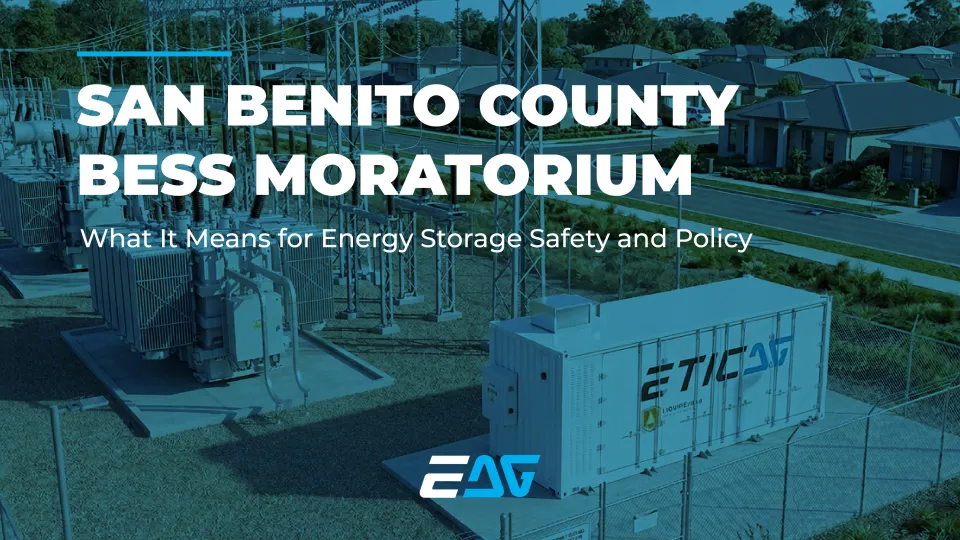
Utility-scale battery energy storage container next to electrical infrastructure in a residential area, representing San Benito County BESS moratorium
Restrictions

San Benito County BESS Moratorium: What It Means for Energy Storage Safety and Policy

San Benito County’s temporary BESS moratorium highlights a growing shift in how energy storage projects are evaluated. As safety concerns drive new regulations, jurisdictions are redefining requirements for siting, performance, and risk management, shaping how battery storage systems are designed, approved, and deployed moving forward.

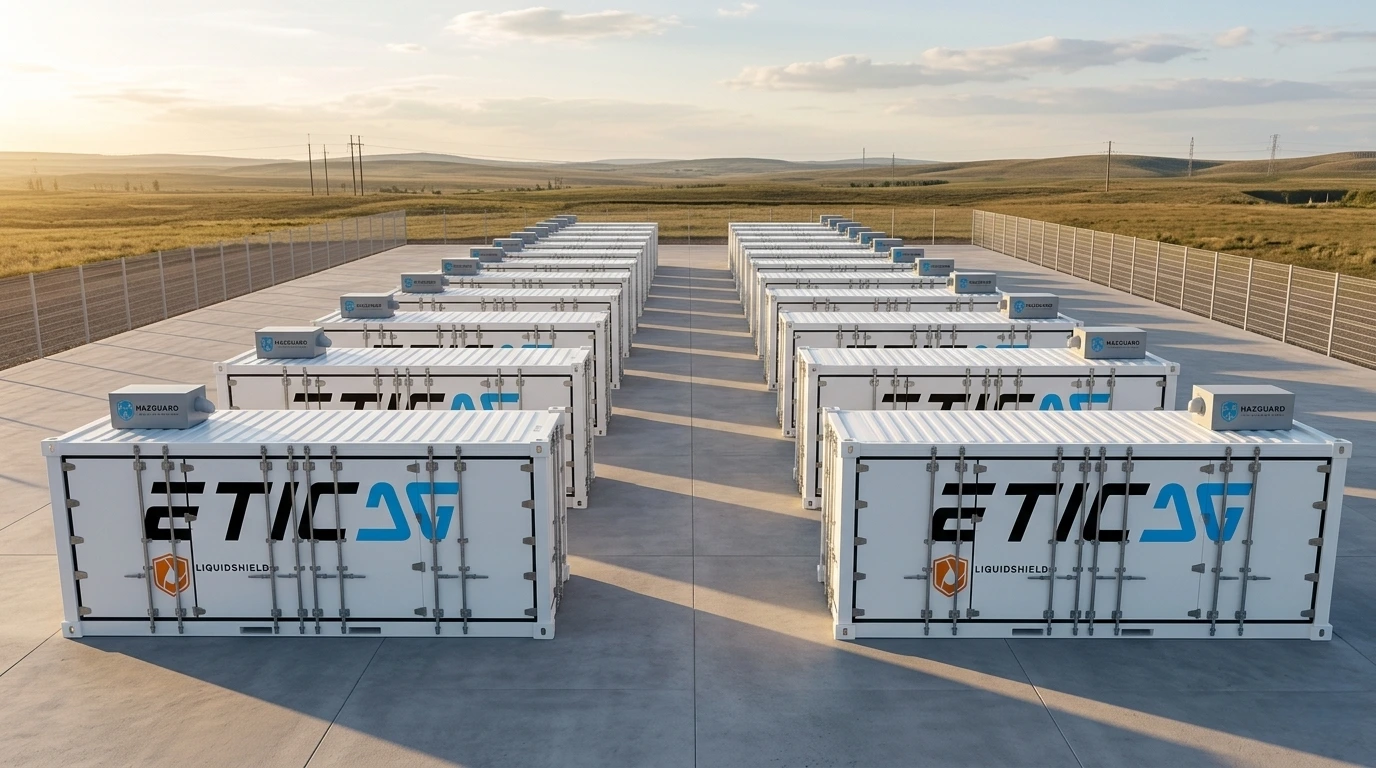
Row of immersion cooled battery energy storage systems that degrade slower than liquid plate
Energy Storage

Immersion Cooling Slows LFP Cell Degradation, Extends Battery Life, and Protects BESS ROI

Thermal management determines how long a BESS lasts, how safely it operates, and whether it meets financial expectations. Uneven heat drives degradation, early augmentation, and performance shortfalls. Immersion cooling eliminates thermal gradients, extends battery life, prevents ignition, and protects ROI by maintaining consistent performance across the system lifecycle.

Illinois Power Act and BESS
Current Event

Illinois POWER Act: Impact on Data Centers and Energy Storage 

The Illinois POWER Act is redefining how data centers are powered, requiring developers to integrate clean energy, energy storage, and advanced safety systems. As demand grows, battery energy storage and immersion cooling technologies will play a central role in ensuring reliable, scalable, and safe data center operations.